Published: June 10, 2026 | By TakumiTech® Materials Engineering Team | Reading Time: 10 minutes
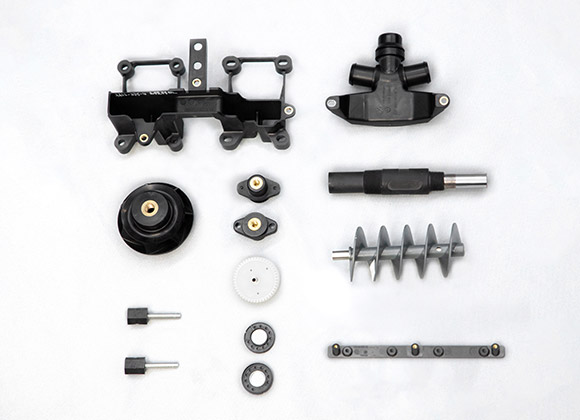
Choosing the right material is crucial for successful injection molding. The material selection affects part performance, manufacturing cost, production efficiency, and end-use application. This comprehensive guide helps you navigate the complex world of thermoplastic materials.
Key Material Properties to Consider
When selecting a material for your injection molded part, consider these critical properties:
- Mechanical Properties: Tensile strength, impact resistance, flexural modulus
- Thermal Properties: Heat deflection temperature, continuous use temperature
- Chemical Resistance: Resistance to oils, solvents, acids, and bases
- Electrical Properties: Dielectric strength, volume resistivity
- Environmental Resistance: UV stability, moisture absorption, weatherability
- Processing Characteristics: Melt flow rate, shrinkage rate, molding temperature
- Regulatory Compliance: FDA, UL, RoHS, REACH requirements
- Cost: Material cost per kg plus total cost including processing
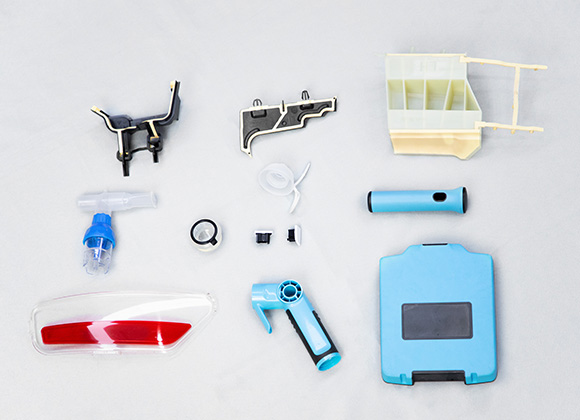
Commodity Plastics
Commodity plastics are cost-effective materials suitable for general-purpose applications:
Polypropylene (PP)
- Properties: Excellent chemical resistance, good fatigue resistance, low density
- Temperature Range: -20°C to +120°C
- Applications: Food containers, automotive parts, living hinges, medical devices
- Cost: $ (Lowest cost option)
Polyethylene (PE)
- Properties: Excellent impact strength, low moisture absorption, good electrical insulation
- Temperature Range: -50°C to +80°C (HDPE), -50°C to +105°C (LDPE)
- Applications: Bottles, containers, pipes, geomembranes
- Cost: $ (Low cost)
Polystyrene (PS)
- Properties: Excellent clarity, rigid, easy to process
- Temperature Range: -40°C to +70°C
- Applications: Packaging, disposable cutlery, CD cases
- Cost: $ (Low cost)
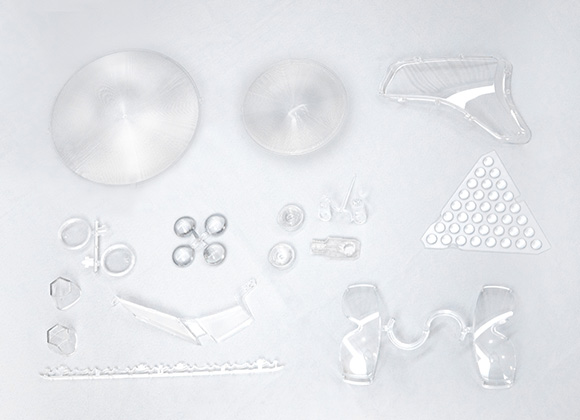
Engineering Plastics
Engineering plastics offer superior performance for demanding applications:
ABS (Acrylonitrile Butadiene Styrene)
- Properties: Excellent impact strength, good surface finish, easy to plate and paint
- Temperature Range: -20°C to +80°C
- Applications: Automotive trim, electronics housings, toys, luggage
- Cost: $$ (Moderate)
Polycarbonate (PC)
- Properties: Exceptional impact strength, optical clarity, high heat resistance
- Temperature Range: -60°C to +135°C
- Applications: Safety glasses, automotive lenses, medical devices, electronic components
- Cost: $$$ (Higher cost)
Nylon (PA)
- Properties: Excellent wear resistance, high strength, good chemical resistance
- Temperature Range: -40°C to +150°C (glass-filled)
- Applications: Gears, bearings, automotive under-hood parts, electrical connectors
- Cost: $$ (Moderate)
High-Performance Plastics
High-performance plastics excel in extreme conditions:
PEEK (Polyether Ether Ketone)
- Properties: Exceptional temperature resistance, chemical inertness, biocompatibility
- Temperature Range: -60°C to +250°C continuous
- Applications: Aerospace, medical implants, oil & gas, semiconductor
- Cost: $$$$ (Premium cost)
PPS (Polyphenylene Sulfide)
- Properties: Excellent chemical resistance, inherent flame retardancy, dimensional stability
- Temperature Range: -40°C to +220°C
- Applications: Electrical connectors, automotive sensors, chemical processing
- Cost: $$$ (Higher cost)
Material Selection Decision Matrix
Use this simplified decision matrix to narrow your material choices:
- Low Cost + General Purpose: PP, PE, PS
- Impact Resistance: PC, ABS, POM
- High Temperature: PEEK, PPS, PBI
- Chemical Resistance: PTFE, PPS, PVDF
- Optical Clarity: PC, PMMA, PETG
- Wear Resistance: POM, PA, UHMWPE
- Electrical Insulation: PTFE, PEEK, PI
- Biocompatibility: PEEK, PC, PP, PE
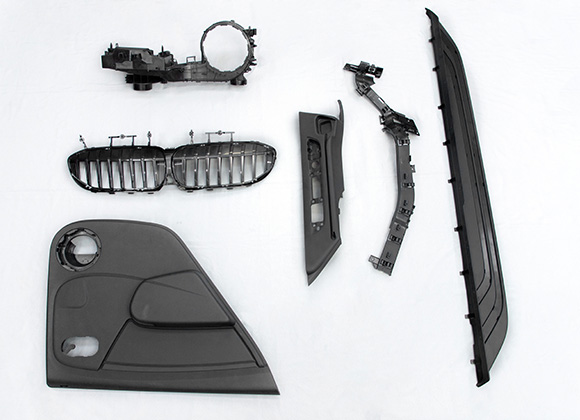
TakumiTech® Material Expertise
Our materials engineering team has extensive experience with over 200 thermoplastic materials. We provide:
- Material recommendation based on application requirements
- Material testing and validation services
- Supplier qualification and material sourcing
- Regulatory compliance documentation (FDA, UL, RoHS, REACH)
- Cost optimization through material selection and design improvements
Need help selecting the right material for your project? Contact our materials engineering team for expert guidance.